Winter Leather Care Guide: Protect Wallets, Journals & Keychains
Cold weather changes the environment around your everyday leather goods. Outdoor moisture, winter road salt, heated indoor air, and sudden temperature changes can all affect a leather wallet, journal cover, or keychain. The good news: most everyday winter care is simple. A little prevention is more useful than aggressive cleaning.
This practical winter leather care guide explains what to do, what to avoid, and when a product-specific leather care recommendation matters more than a general rule.
Why Winter Can Be Tough on Leather
Leather is a natural material, but not all leather finishes respond the same way. Finished, waxed, oiled, and more absorbent leathers have different tolerances for water and cleaning products. During winter, three common issues deserve attention: moisture from rain or snow, salt carried on gloves and bags, and dry indoor air near heating vents.
Regular use can also change the appearance of leather over time. That is not always damage: natural color and sheen changes may be part of its developing patina. Read our guide to leather patina for more context.
1. Keep Leather Away From Road Salt and Slush
Salt residue can leave marks on leather, especially if moisture sits on the surface. If your wallet or keychain comes into contact with slush, remove loose residue promptly with a clean, soft, slightly damp cloth, without soaking the leather. Gently blot rather than scrub. Then allow it to air-dry away from direct heat.
For a stubborn salt mark, do not immediately reach for vinegar, alcohol, or a household cleaner. Those can affect dyes and finishes. Use a cleaner explicitly approved for your leather type, test in an inconspicuous area first, or consult a leather-care professional.
2. Dry Wet Leather Slowly—Never on a Radiator
Placing a wet leather accessory beside a heater or using a hair dryer may seem convenient, but concentrated heat can lead to stiffness, distortion, or surface damage. Instead, remove excess water with a dry cloth, keep the item in its natural shape, and let it dry at room temperature with airflow.
If a journal cover becomes wet, separate it from damp paper where practical and protect the pages from additional moisture. If a wallet gets wet, remove cards and contents so trapped moisture can escape. For more detailed steps, see Can Leather Get Wet? How to Dry Wallets & Journals Safely.
3. Clean Gently Before You Condition
Dust and grit can scratch leather if rubbed into the surface. Start with a dry microfiber cloth or soft brush. For ordinary finished leather, a lightly damp cloth may be enough for routine dirt, but always follow the product's care guidance. Avoid saturating seams, engraving, or the edges of the leather.
Do not use bleach, abrasive pads, alcohol wipes, or all-purpose household sprays. They are not reliable substitutes for leather-specific care products.
4. Condition Only When the Leather Needs It
Conditioner is not a universal weekly requirement. Some leathers already contain oils or waxes; some finishes are not intended for conditioning at all. Over-application can darken leather, change its feel, or leave residue.
If the maker recommends conditioning and the leather feels unusually dry, choose a product designed for that finish. Test a tiny hidden spot, apply sparingly with a soft cloth, and follow the conditioner manufacturer's directions. Let the item absorb and dry before carrying it. Avoid applying conditioner directly over printed artwork, painted edges, or other specialty finishes unless the product instructions permit it.
5. Protect Engraved Leather Without Hiding the Personalization
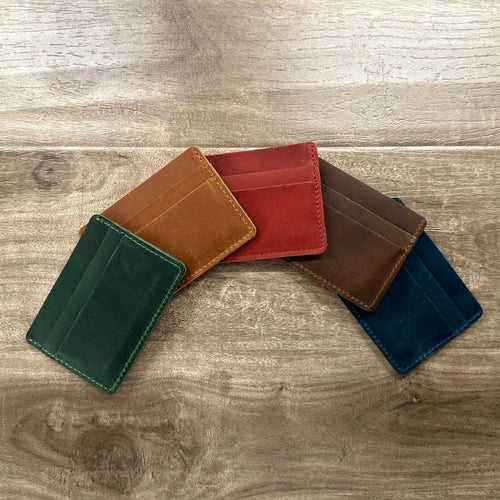
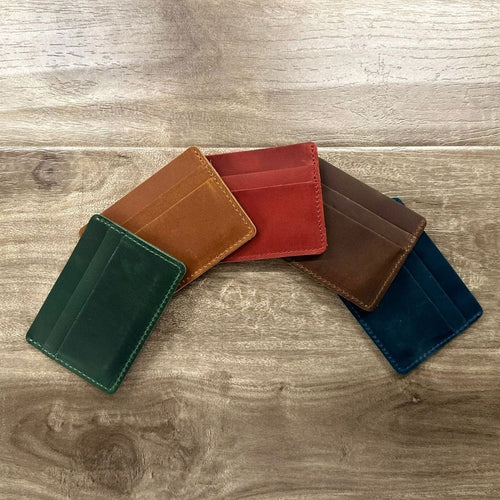
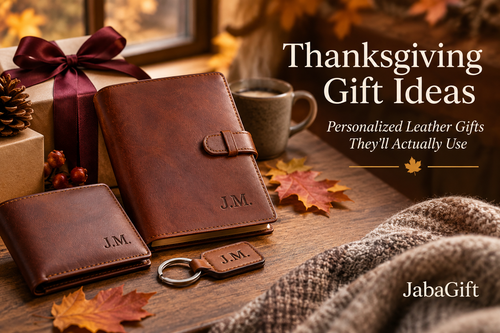
Personalized pieces often carry names, initials, coordinates, or meaningful messages. For an engraved leather keychain, wipe away moisture after snowy commutes and avoid repeatedly scraping the engraved surface against metal objects. For a monogrammed slim wallet, avoid overstuffing card slots, which puts extra strain on seams and the leather itself.
For a more detailed look at small accessories, visit How to Care for Your Leather Keychain.
6. Store Leather Correctly Between Uses
Store wallets, journals, and leather accessories in a cool, dry place away from radiators and direct sunlight. Avoid sealing a damp leather item in a plastic bag: trapped moisture can encourage unwanted odors or mold. If you store a leather journal for a long period, place it where the cover will not be bent under heavy objects.
A breathable fabric pouch can help protect against dust. Keep leather away from items that may transfer dye, especially when materials are damp.
7. Build a Two-Minute Winter Routine
After a snowy or rainy day, check your everyday leather items for visible moisture or salt. Wipe them gently, let them dry naturally if needed, and put them away somewhere ventilated. Once in a while, inspect stitching and edges for wear. That small routine is usually more helpful than frequent deep cleaning.
Explore JabaGift's personalized leather wallets, engraved keychains, and notebooks and journals to see different ways leather fits into everyday life.
Winter Leather Care FAQ
Can I use a hair dryer to dry a leather wallet?
It is better not to. Blot excess water and allow the wallet to dry naturally away from direct heat.
Should I condition my leather wallet every month in winter?
Not automatically. Conditioning frequency depends on the leather's finish, use, and the maker's instructions. Excess conditioner can change the appearance or feel.
Does snow permanently ruin leather?
Not necessarily. Prompt, gentle drying often helps after light exposure, but prolonged soaking, salt, or unsuitable cleaners may cause lasting marks or changes.
Will winter make full-grain leather crack?
Winter conditions alone do not guarantee cracking. Prolonged dryness, harsh heat, poor storage, and inappropriate cleaning can contribute to damage over time. The right care depends on the leather's finish and condition.
Take Care of the Pieces You Carry Every Day
A personalized leather accessory is meant to be used, not hidden away. Keep it reasonably clean, protect it from salt and excess moisture, dry it gently, and avoid over-treating it. Those habits can help a wallet, journal, or keychain remain a favorite through winter and beyond.